ROEN
+40 771 236 006 Request a quote

Road, rail and river crossings

We take pipes under national roads, county roads, railways, rivers and irrigation canals without stopping traffic and without touching the infrastructure.

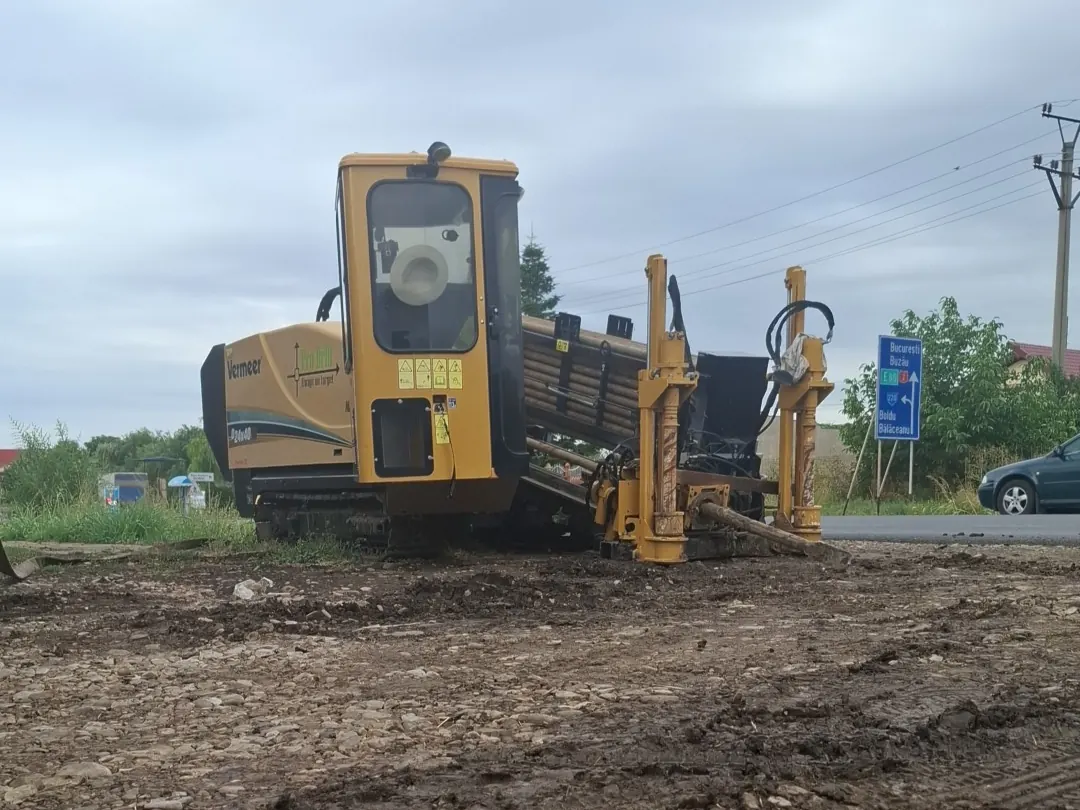
PRO DRILL rig next to a national road on the Bucharest–Buzău route
Road crossing, with the rig set up off the carriageway.
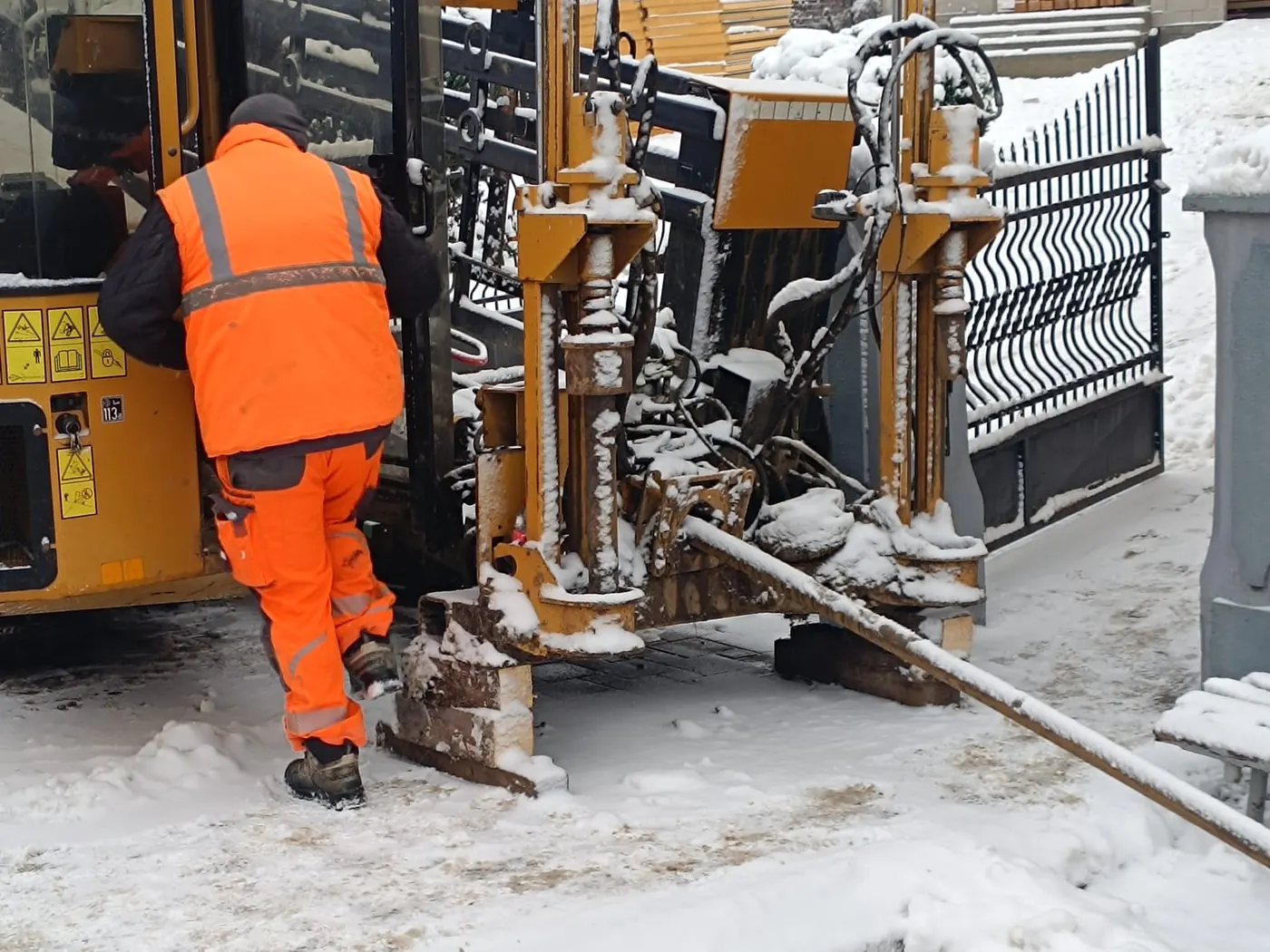
PRO DRILL drilling in winter next to a culvert over a canal
Crossing next to a culvert – we work in winter too.

What we cross

National roads and motorways

Works within the road zone managed by CNAIR, at the depths and distances set in the permit.

County and local roads

Crossings for water, sewer, gas and cables, with no traffic restrictions.

Railways

Crossings of CFR railway lines with a protective sleeve, without interrupting train traffic.

Rivers and irrigation canals

Bores under riverbeds and dykes at the depth set by the water authorities. We crossed the Timiș river at ~17 m.

Crossings with a protective sleeve

Many permits require the carrier pipe to sit inside a protective sleeve (steel or PE) with spacers and end seals. We deliver the whole assembly: the bore for the sleeve, insertion of the carrier pipe and sealing.

Permits and documentation

For every crossing we prepare the technical documents the asset owners ask for: bore profile, depth below the road or riverbed, materials and method. We work to the requirements of:

  • CNAIR and its regional road directorates – national roads and motorways
  • County councils – county roads
  • CFR SA – railways
  • Romanian Waters and ANIF – rivers and irrigation canals

Why drill instead of digging

  • The road stays open – no traffic lights, no diversions.
  • No road reinstatement and no later settlement over the excavation.
  • Permits are easier to obtain – many owners accept no other method.
  • A typical road crossing is completed in a single day.

Frequently asked questions

How long does a road crossing take?

A typical national or county road crossing of a few dozen metres is usually done in one day, once permits are in place and the work pads are ready.

Is a protective sleeve needed?

It depends on the permit. CFR and some road authorities require one; we install it together with the carrier pipe.

Do you handle permits?

We prepare the technical drilling documents (profile, depths, method) that the client or designer submits, and can work with the designer from the design stage.

How deep is a river crossing?

The depth is set by the water management permit, based on the riverbed and possible scour. At Șag, under the Timiș, we worked at about 17 m.

Related projects

Got a drilling job or a crossing?

Send us the drawings and get a firm quote. Feasibility review is free.

CallWhatsAppRequest a quote